Different Folk for Different Folks
by
Gary Graff
Free Press
January
1991
Original article: 
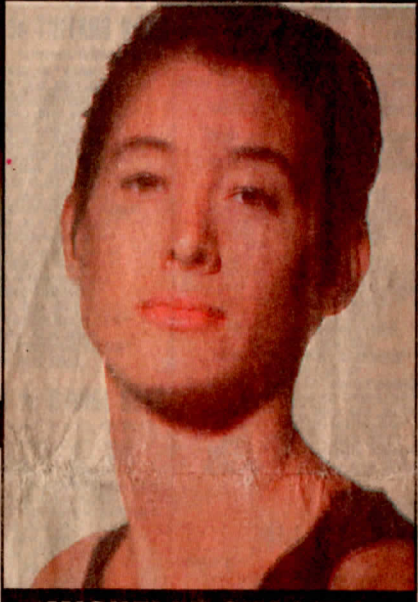
ON STAGE
The 17th Ann Arbor Folk Festival showcases a wide spectrum of folk artists. They are:
Michelle Shocked
Richard Thompson
Bela Fleck & the Flecktones
Jimmie Dale Gilmore
Tish Hinojosa
David Broza
Deadbeat Society
Second Opinion
The House Band
The emcee is singer-songwriter Cheryl Wheeler.
The festival takes place at 6pm Saturday at Hill Auditorium, Ann Arbor.
Tickets are $19.50-$100. A very limited number of tickets remain. Call 761-1800 anytime.
There are enough definitions floating around to fill a page in Webster’s dictionary.
To strict traditionalists, it’s songs that’s [sic] been handed down from generation to generation, never recorded or even performed for a paying audience.
To another faction, it’s music that reflects the indigenous values and characteristics of a particular society. By that reckoning, rap is closer to folk than James Taylor or Peter, Paul and Mary.
And to less discriminating ears, folk music is made by any acoustic guitar-toting singer-songwriter – a school that will be on display at this weekend’s 17th Ann Arbor Folk Festival.
“Folk’s a bit of a problematic word,” says British songsmith Richard Thompson, chuckling at his understatement. “I don’t think folk exists as a thing, really. I think ‘acoustic’ is a valid word. Maybe ‘traditional’ is a valid word.
“When I started playing, (folk) used to be a kind of working-class music of storytelling and dance and stuff like that. Maybe that means Snoop Doggy [sic] Dogg is folk music.”
Thompson himself represents the conundrum of defining folk music. His old band Fairport Convention blended its rock ‘n’ roll with elements of Celtic and British folk – much like a kindred spirit, Jethro Tull. His new album Mirror Blue, due out Feb. 8, has many of the same touches, as well as folktale-style narratives such as “Shane and Dixie.”
But folk purists might dismiss Thompson because of the commercial forum he works in; similarly, his guitar proficiency – both electric and acoustic – gives him standing far afield from the folk community.
That’s all indicative of the hazy nature of folk in 1994. It’s not a new problem; folk debates have raged since the Weavers and … [article abruptly ends]
Added to Library on May 10, 2020. (519)
Copyright-protected material on this website is used in accordance with 'Fair Use', for the purpose of study, review or critical analysis, and will be removed at the request of the copyright owner(s).